
Protein Guide
Best Protein Powder After Gastric Bypass: Label Math That Works

By David Gans · Gastric bypass patient since January 2024 · Lost 231 lbs · Founder of BypassVitamins.com
I lost 231 pounds after my Roux-en-Y gastric bypass, and I can say this clearly. Hitting protein is one of the habits that makes everything else easier. Energy, fullness, muscle retention, hair, recovery. A good powder can help, but only if you choose the right kind.
Key Facts
- Johns Hopkins sets a protein goal of 60-100 grams per day after bariatric surgery
- Johns Hopkins says a protein supplement should usually provide 20-30 grams of protein per serving
- Johns Hopkins says a protein supplement should stay under 5 grams of sugar and 100-200 calories per serving
- Johns Hopkins says a good supplement provides at least 15 grams of protein per 100 calories
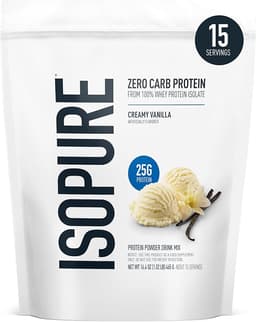
Isopure
Zero Carb Whey Isolate Vanilla
25g protein, lactose free, gluten free, with added vitamins. 28K+ reviews.
Buy on Amazon →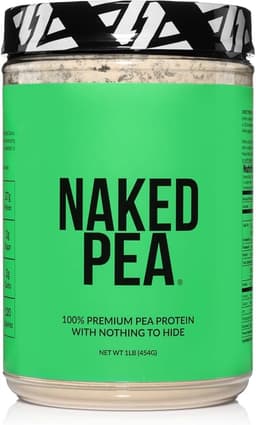
NAKED
Pea Protein Isolate
Single ingredient, no fillers or additives, 27g protein, NSF Certified, vegan.
Buy on Amazon →What makes a protein powder good after gastric bypass?
A good bariatric protein powder gives a lot of protein without too much sugar, calories, or volume.
Johns Hopkins gives one of the clearest filters I have seen for protein supplements. Choose products that provide 20-30 grams of protein per serving, less than 5 grams of sugar, and about 100-200 calories. It also says a good supplement should provide at least 15 grams of protein per 100 calories. That is the kind of math that cuts through marketing fast.
After surgery, especially early on, volume is limited. That means every sip has to work harder. If a shake is packed with sugar or padded with extra calories, it uses up stomach space without giving you the protein return you need. I learned quickly after my own bypass that convenience matters, but efficiency matters more.
Comparing bypass vitamins? See all 15 options ranked by price →
How much protein do bypass patients need each day?
Johns Hopkins sets the usual goal at 60-100 grams of protein per day after surgery.
That 60 to 100 gram target shows up again and again in bariatric nutrition education because it matters. Protein supports healing, helps preserve lean mass during rapid weight loss, supports fullness, and may help reduce the severity of post-op hair issues when the rest of the diet is also in place.
What changes is how easy that goal feels. In the first weeks, it can feel hard. Food texture is limited. Volume is tiny. That is where protein powder earns its place. Not as a forever replacement for food, but as a bridge that helps you reach the target when meals alone are not enough yet.
Is protein powder better than ready-to-drink shakes after gastric bypass?
Not always. The better choice is the one you tolerate, afford, and use consistently.
Powders can be cheaper per serving, easier to customize, and useful if you want to control thickness or mix into foods. Ready-to-drink shakes win on convenience and portability. The more important question is whether the product still hits the Johns Hopkins targets: 20-30 grams protein, under 5 grams sugar, 100-200 calories.
What ingredients should bypass patients watch for in protein powder?
Watch the nutrition panel more than the front label, especially sugar, calories, and protein density.
The front of the tub loves to sell vibes. The back label tells the truth. Johns Hopkins wants 20-30 grams of protein, under 5 grams of sugar, and about 100-200 calories per serving. That should be the first screen.
I also watch serving size. Sometimes a product looks high protein until you notice the scoop is huge and the drink becomes thick or heavy. For a post-op patient, especially early on, that can make adherence worse.
Compare all 15 bypass vitamins by price and iron content.
Compare Bypass VitaminsWhen should you use protein powder after gastric bypass?
Use it when it helps you hit protein without crowding out hydration or real food.
Johns Hopkins notes that many patients use 2 to 4 protein supplements a day at first. In that stage, powder is not optional for many people. It is the practical way to get closer to target.
Later on, as solid protein foods become easier, powder becomes a support tool instead of the center of the day. My own approach is simple. Food first when possible. Powder when needed.
Can protein powder help with hair loss and muscle loss after gastric bypass?
It can help support the basics, but it works best as part of a full bariatric routine.
Johns Hopkins says early hair loss after surgery is often due to the operation and rapid weight loss and usually resolves on its own. It also says adequate protein and the recommended vitamins and minerals help prevent deficiency-related hair loss. So yes, protein matters. But powder alone does not fix every reason hair sheds after surgery.
What is the bottom line on the best protein powder after gastric bypass?
Pick the powder that hits bariatric numbers and that you will actually keep using.
The best product is not the trendiest. It is the one that gets you to 60-100 grams of protein a day without too much sugar, too many calories, or too much volume. If a product tastes decent, sits well, mixes easily, and fits your numbers, that is enough. You need consistency, not perfection.
Choosing a Protein Powder After Gastric Bypass
Label Targets
- ✓20–30g Proteinper serving
- ✓< 5g Sugarper serving
- ✓100–200 Caloriesper serving
Protein per Serving
Approximate grams per serving
Daily Routine
Morning shake
20–30g to start the day
Food-first lunch
Protein from real food
Evening top-up
If daily goal not met
Based on Johns Hopkins bariatric protein guidelines
Ready to find your best bypass vitamin?
We compared all 15 options by price per day, iron content, and full ASMBS nutrient breakdown. Updated weekly.
Compare All 15 Bypass Vitamins →Frequently Asked Questions
What is the best protein powder after gastric bypass surgery?
The best one fits bariatric targets and you tolerate consistently. Johns Hopkins looks for 20-30 grams of protein, under 5 grams of sugar, and about 100-200 calories per serving.
How much protein should I eat per day after gastric bypass?
Enough to help reach 60-100 grams daily. Some people need one shake a day, others need two early on.
Is whey or plant protein better after bariatric surgery?
Both can work if the label is strong and you tolerate it well. Whey is often more concentrated, plant blends help if dairy is an issue.
Can protein shakes replace meals after bariatric surgery?
Early on yes, but long term powder should support meals, not replace them.
Related Articles
What Vitamins Do You Need After Gastric Bypass Surgery?
A complete guide to iron, B12, calcium, and vitamin D after Roux-en-Y.
Read →Hair Loss After Gastric Bypass
Why hair loss happens after bypass and how to minimize it.
Read →Zinc Deficiency After Gastric Bypass
Zinc deficiency affects up to 40% of bypass patients. Symptoms and best forms.
Read →