
Zinc Guide
Zinc Deficiency After Gastric Bypass: Symptoms and Solutions

By David Gans · Gastric bypass patient since January 2024 · Lost 231 lbs · Founder of BypassVitamins.com
Zinc is not the nutrient most people think about first after gastric bypass. Iron, B12, vitamin D, those get most of the attention. But zinc deficiency affects up to 40 percent of bypass patients, and the symptoms are easy to miss or misattribute to other causes. Hair loss, poor wound healing, changes in taste, all of these can be zinc, and most patients never connect the dots without a blood test.
I did not pay close attention to zinc in my first year. Looking back, I should have been more deliberate about checking the label. Here is what I now know.
Zinc After Bypass: Key Facts
- ASMBS recommends 8-22mg zinc daily after gastric bypass
- Up to 40% of bypass patients develop zinc deficiency
- Zinc is primarily absorbed in the duodenum, which bypass reroutes
- Symptoms include hair loss, taste changes, and poor wound healing
- Zinc competes with copper. Supplementing without monitoring can cause copper deficiency
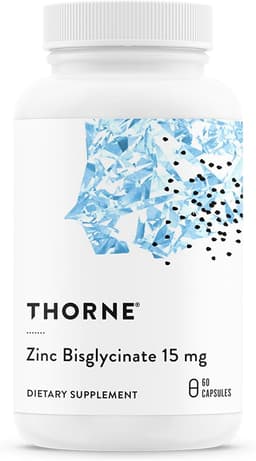
Thorne
Zinc Bisglycinate 15mg
Exact 15mg target, bisglycinate chelate form, third-party certified.
Buy on Amazon →Why does gastric bypass cause zinc deficiency?
Zinc is absorbed primarily in the duodenum and upper jejunum, exactly the section of intestine that Roux-en-Y gastric bypass reroutes.
The Roux-en-Y procedure creates a small stomach pouch and connects it directly to the middle of the small intestine, bypassing the duodenum entirely. The duodenum is where the majority of zinc absorption occurs under normal digestive conditions. When food no longer travels through that section, zinc absorption drops significantly from the first day after surgery.
On top of the anatomical change, food intake is dramatically lower in the first months after surgery. Even if some zinc is absorbed through the remaining intestine, the amount of zinc coming in from food is much smaller than before surgery. Both factors together, reduced absorptive surface and lower food intake, create the conditions for deficiency.
ASMBS acknowledges this in its 2016 Integrated Health Nutritional Guidelines, which include zinc as a required nutrient to supplement and monitor lifelong after Roux-en-Y gastric bypass. This is not a maybe. It is part of the standard post-operative protocol.
Comparing bypass vitamins? See all 15 options ranked by price →
What are the symptoms of zinc deficiency after gastric bypass?
The most common symptoms are hair loss, changes in taste or smell, slow wound healing, and frequent infections, many of which overlap with normal post-surgery recovery.
Hair loss is the symptom that tends to get the most attention among bypass patients. Losing hair in the months after surgery is common, and it has several causes, low calories, protein restriction, and stress from the surgery itself. But zinc deficiency is one contributing factor that is often overlooked. Zinc plays a direct role in hair follicle function. If your hair loss is prolonged or more severe than expected, zinc levels are worth checking.
Changes in taste and smell are another marker of zinc deficiency that bypass patients sometimes dismiss as a quirk of post-op eating. Zinc is required for the normal function of taste receptor cells. When zinc is low, food can taste blunted, metallic, or different from how it tasted before. This can also affect appetite and dietary intake, making the deficiency worse over time.
Poor wound healing is a less common but more clinically significant symptom. Zinc is essential for cell repair and immune function. Patients with low zinc levels after surgery may notice that cuts and incision sites heal more slowly. Immune function is also impaired, which means more frequent or prolonged illness.
Skin changes, dryness, roughness, or a rash, can also appear with zinc deficiency, though these are less specific and easy to attribute to other causes.
How much zinc do you need after gastric bypass?
ASMBS recommends 8-22mg of zinc daily after gastric bypass. Most bariatric programs aim for the higher end of that range given the absorption impairment.
The recommended range reflects variation by sex and individual labs. Females are generally at the lower end (8-22mg), males at the higher end (11-22mg), though many programs use 16-22mg across the board for bypass patients because of the duodenal bypass. The standard daily intake for non-surgical adults is only 8-11mg, so the post-bypass target is meaningfully higher.
A quality bariatric multivitamin should cover a significant portion of this target. Check the supplement facts panel for zinc content. If the label shows less than 8mg, or zinc is absent entirely, that is worth discussing with your bariatric team. Some patients need a separate zinc supplement in addition to their multivitamin, particularly if labs show deficiency.
Zinc levels should be tested regularly, at minimum annually. If you are experiencing the symptoms described above, ask for zinc to be added to your next blood draw. Serum zinc is the standard test, though it does not catch all cases of deficiency. A result in the low-normal range with symptoms present is worth a clinical conversation.
See which bypass multivitamins include zinc and how they compare by price per day.
Compare Bypass VitaminsWhat form of zinc is best after bypass?
Zinc citrate and zinc picolinate are better absorbed than zinc oxide, and are the preferred forms for bypass patients.
Not all zinc supplements are equal in bioavailability. Zinc oxide, the most common and cheapest form, has lower absorption compared to organic zinc forms. After bypass, where absorption is already compromised, form matters more than it would for someone with an intact digestive tract.
Zinc citrate and zinc picolinate are generally considered better-absorbed forms. When checking your bariatric multivitamin label, look not just at the amount of zinc but at the form listed. If the form is zinc oxide and your labs are trending low, switching to a citrate or picolinate form may help.
Chewable or liquid zinc supplements are worth considering for bypass patients specifically because they begin dissolving in the mouth and upper digestive tract rather than requiring full gastric processing first.
Zinc and copper: why the balance matters
High zinc intake can deplete copper. ASMBS recommends monitoring copper alongside zinc in bypass patients who supplement above standard doses.
Zinc and copper compete for the same absorption pathways in the intestine. When zinc intake is consistently high, copper absorption is suppressed. Copper deficiency has its own serious consequences, including anemia, nerve damage, and neurological symptoms that can look similar to B12 deficiency.
This is not a reason to avoid zinc supplementation. It is a reason to be thoughtful about dose. ASMBS guidelines recommend that copper be supplemented at a ratio of roughly 1mg of copper per 8-15mg of zinc. Many quality bariatric multivitamins include both zinc and copper in appropriate proportions. If you are adding a separate high-dose zinc supplement on top of your multivitamin, ask your bariatric team whether copper should be adjusted.
Copper levels should be included in routine post-bypass labs. If zinc is being supplemented and copper has not been tested, add it to the next blood draw.
Zinc After Bypass Quick Reference
- ASMBS target: 8-22mg zinc daily (most programs aim for the higher end)
- Best-absorbed forms: zinc citrate, zinc picolinate (not zinc oxide)
- Up to 40% of bypass patients develop deficiency
- Key symptoms: hair loss, taste changes, slow wound healing
- Always pair zinc supplementation with copper monitoring
- Test zinc and copper levels at every routine blood draw
Ready to find your best bypass vitamin?
We compared all 15 options by price per day, iron content, and full ASMBS nutrient breakdown. Updated weekly.
Compare All 15 Bypass Vitamins →Frequently Asked Questions
How much zinc do I need after gastric bypass?
ASMBS recommends 8-22mg of zinc daily after gastric bypass, depending on sex and individual labs. Many bariatric programs target the higher end of that range because bypass reroutes the duodenum, where most zinc is absorbed. Check your multivitamin label for zinc content and confirm the dose with your bariatric team.
What are the symptoms of zinc deficiency after gastric bypass?
The most common symptoms are hair loss, changes in taste or smell, poor wound healing, frequent infections, and dry or rough skin. Because many of these overlap with normal post-op recovery, zinc deficiency can go undetected for months without blood testing.
Why do bypass patients lose hair after surgery?
Hair loss after bypass has multiple causes, including low calorie intake, protein deficiency, and nutrient deficiencies. Zinc is one of them. Zinc plays a direct role in hair follicle function. Hair loss that starts around three to six months after surgery and continues beyond the first year is worth investigating for zinc and other nutrient levels.
Can I take too much zinc after gastric bypass?
Yes. Excessive zinc supplementation can deplete copper, which leads to its own serious deficiency, including neurological problems. ASMBS recommends that zinc supplements be paired with copper supplementation at a ratio of roughly 8-15mg of zinc per 1mg of copper. Do not take high-dose zinc without also monitoring copper levels.
Related Articles
Thiamine After Gastric Bypass: Why B1 Matters
Thiamine deficiency can develop within weeks after bypass. ASMBS targets and warning symptoms.
Read →How Much Iron Do You Need After Gastric Bypass?
Iron is the most common deficiency after bypass. Learn the exact doses and best forms.
Read →Hair Loss After Gastric Bypass: Causes and What Helps
Hair loss after bypass is common but often temporary. Deficiencies that play a role and what helps.
Read →